What Happens to Your Body During a Sauna Session?
Share
The moment you enter a sauna, your body begins responding to heat. But infrared and traditional steam-style saunas create that heat differently, which can make each session feel noticeably different.
Here's what's happening inside your body.
The First Few Minutes: Your Body Starts Heating Up
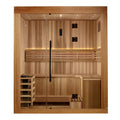
In a traditional sauna, a heater warms the air around you—often to much higher temperatures than an infrared sauna. If water is poured over heated sauna stones, the burst of steam raises the humidity and makes the heat feel more intense against your skin.
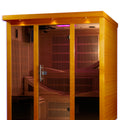
An infrared sauna works differently. Infrared heaters emit radiant energy that is absorbed by your body and surrounding surfaces rather than relying primarily on extremely hot air.
Either way, your body recognizes the increasing heat and starts trying to cool itself.
Your Blood Vessels Widen
As your skin temperature rises, blood vessels near the skin expand. This increases blood flow toward the surface of your body, where heat can be released.
Your heart also begins working harder to maintain circulation, so your heart rate can rise during a sauna session.
Then Comes the Sweat
After several minutes, sweating becomes much more noticeable.
Sweat itself doesn't mean toxins are being "flushed" from your body—your liver and kidneys handle most detoxification. Sweating is primarily your body's cooling mechanism.
In a hot traditional sauna, sweating can occur quickly due to the high ambient temperature.
Infrared saunas generally use lower air temperatures, but you can still sweat heavily as your body absorbs radiant heat.
Your Muscles Feel Warm and Loose
Heat and increased circulation can temporarily reduce muscle stiffness and promote greater relaxation.
That's one reason people often use saunas after lifting weights, running, playing sports, or simply after a long day.
Infrared vs. Steam-Style Heat
Infrared sauna: Lower surrounding air temperature, radiant infrared heat, typically a gentler-feeling environment while still producing substantial warmth and sweating.
Traditional sauna: Higher air temperature and a more intense surrounding heat. Adding water to sauna stones creates short bursts of steam and humidity that can make the heat feel dramatically stronger.
Neither experience has to be "better." They provide different ways of exposing your body to heat.
What Happens When You Step Out?
Once the session ends, your body immediately begins trying to return to its normal temperature.
Your skin may remain warm and flushed for a while, your heart rate gradually comes down, and sweating may continue briefly.
Because you've lost water through sweat, rehydration is an important part of finishing a sauna session.
The Bottom Line
A sauna session puts your body through a temporary heat response: your skin warms, blood vessels widen, heart rate increases, and sweat production rises to help control your temperature.
Infrared saunas accomplish this with radiant infrared energy and lower air temperatures. In contrast, traditional saunas surround you with much hotter air and can add bursts of steam through water poured over heated stones.
Different experience. Same basic goal: heat, sweat, and relaxation.